Is NMN Safe?
Is NMN Safe? A Research-Informed Review of Nicotinamide Mononucleotide
Nicotinamide Mononucleotide (NMN) has become a widely discussed compound in scientific and nutritional research due to its role in the body’s NAD⁺ production pathways. As interest grows, questions around NMN safety are increasingly common. This article examines what current research says about NMN safety, tolerability, and potential risks, using a neutral, evidence-based approach.
Is NMN Considered Safe Based on Current Research?
Human clinical research conducted to date suggests that NMN is generally well tolerated in short-term studies. Most published trials have focused on:
- Safety markers
- Blood chemistry changes
- NAD⁺ level responses
- Short-term tolerability
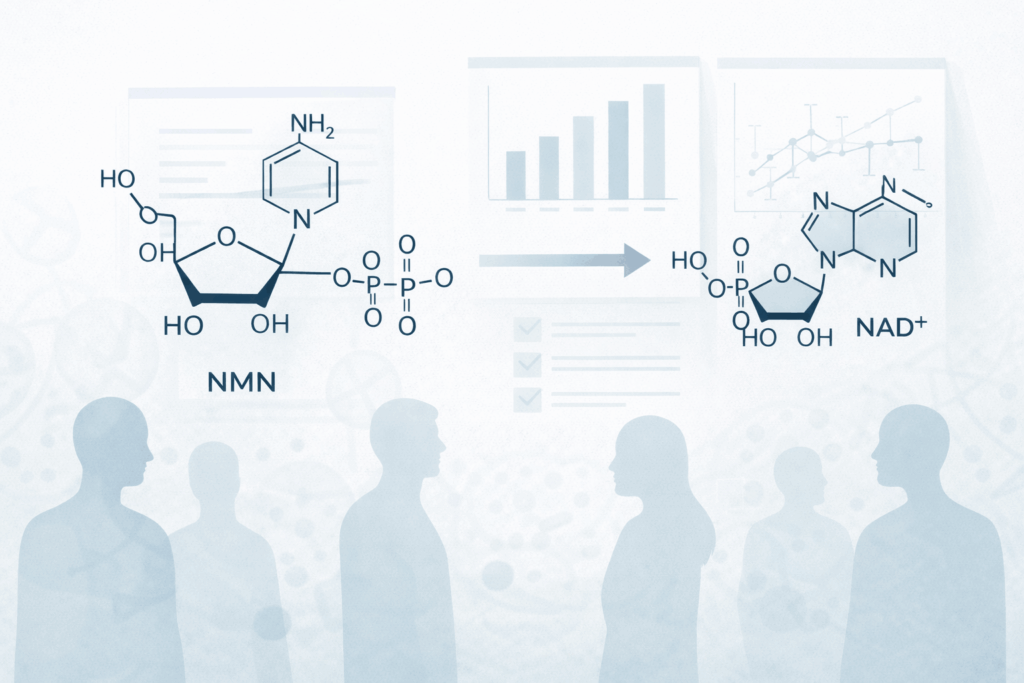
However, research on NMN is still evolving. Long-term safety data in large, diverse human populations remain limited. For this reason, NMN is best described as an actively studied compound rather than a fully established intervention.
What Are the Negative Side Effects of NMN?
In available human studies, serious adverse effects have not been commonly reported. When side effects are observed, they are usually mild and temporary.
Reported side effects may include:
- Mild digestive discomfort
- Nausea
- Bloating or gastrointestinal sensitivity
These observations are based on short-duration clinical trials. The absence of serious side effects does not guarantee safety in all populations or under long-term use, which is why continued research is important.
Is NMN Toxic to the Liver?
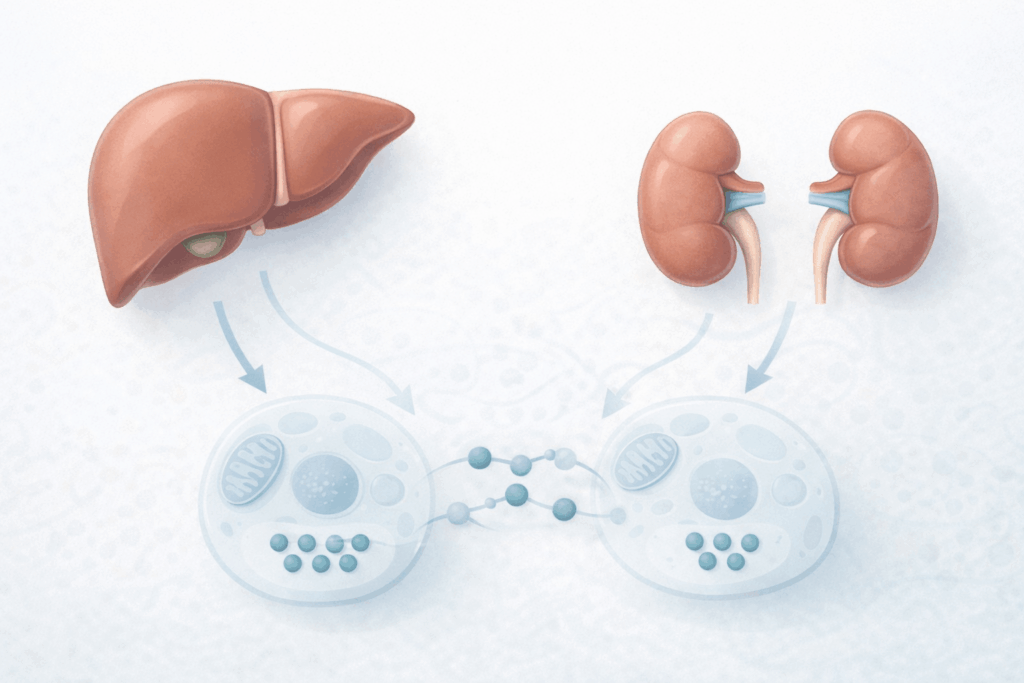
Current human research does not indicate that NMN is toxic to the liver when studied in controlled clinical settings. Liver enzyme levels measured during trials generally remain within normal reference ranges.
That said:
- Most studies are short-term
- Long-term liver outcomes have not been fully evaluated
- Individual metabolic responses may vary
As with many emerging research compounds, conclusions about liver safety remain cautious until larger and longer studies are available.
Can NMN Damage the Kidneys?
There is no strong evidence from human clinical trials suggesting that NMN damages kidney function. Kidney-related biomarkers in existing studies have not shown consistent signs of harm.
However:
- Kidney safety data is still limited
- Most studies involve healthy adults
- People with existing kidney conditions are underrepresented in research
Due to these limitations, NMN research does not provide definitive conclusions regarding the effects on the kidney in all populations.
Is NMN Risky?
NMN is not currently considered high-risk based on short-term human studies. However, “low observed risk” does not mean “risk-free.”
Uncertainties include:
- Long-term daily use
- Use in individuals with chronic conditions
- Interactions with medications
- Effects in older or metabolically vulnerable populations
From a scientific perspective, NMN is best described as promising but still under investigation.
Is It Safe to Take NMN Every Day?
Short-term human studies involving daily NMN intake suggest it is generally well tolerated over weeks to months. These studies typically monitor:
- Blood chemistry
- Liver enzymes
- General adverse effects
However:
- Long-term daily use has not been studied extensively
- No official daily intake recommendations exist
- Safety conclusions are limited to research conditions
As a result, NMN daily use remains a topic of ongoing research rather than established guidance.
Is NMN Just Vitamin B3?
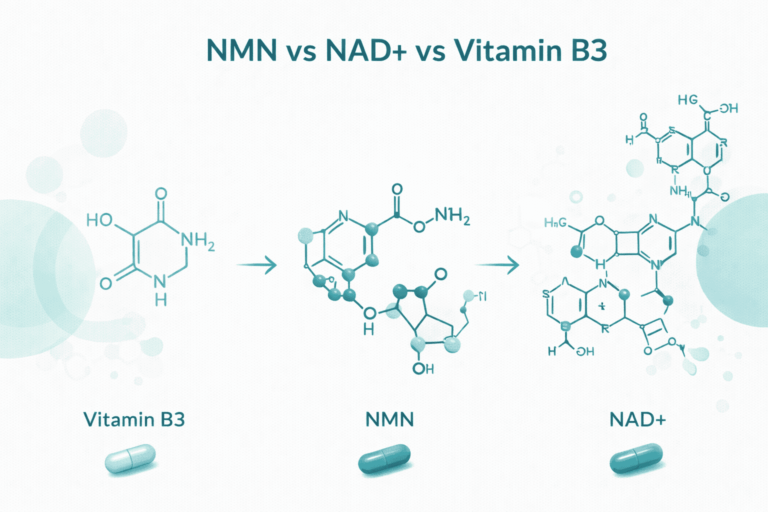
NMN is related to vitamin B3, but it is not the same compound.
- Vitamin B3 includes niacin and nicotinamide
- NMN is a nucleotide derived from nicotinamide
- NMN sits closer to NAD⁺ in the metabolic pathway
While vitamin B3 can eventually support NAD⁺ production, NMN is considered a more direct intermediate. Despite this relationship, NMN and vitamin B3 are chemically distinct and behave differently in the body.
Who Should Not Take Nicotinamide or NMN?
Research has not clearly identified specific groups that should categorically avoid NMN. However, clinical studies generally exclude individuals who are:
- Pregnant or breastfeeding
- Managing chronic medical conditions
- Taking medications that affect metabolism
- Diagnosed with serious liver or kidney disorders
Because of limited data in these populations, safety conclusions cannot be confidently extended to everyone.
Do Doctors Recommend NMN?
NMN is not widely recommended by doctors as a standard therapy, primarily because:
- It is not an approved medical treatment
- Long-term safety data is limited
- Clinical guidelines do not include NMN
Some healthcare professionals may discuss NMN in the context of emerging research, but this is not the same as a formal recommendation.
What Is the Best Anti-Aging Supplement?
There is no single supplement scientifically proven to stop or reverse aging.
Aging is a complex biological process influenced by:
- Genetics
- Lifestyle
- Nutrition
- Environmental factors
NMN is studied as part of broader research into cellular aging mechanisms, particularly NAD⁺ biology. However, research does not support ranking NMN, or any supplement, as the “best” anti-aging solution.
What Happens When You Stop NMN?
There is limited research on discontinuing NMN because long-term use studies are scarce.
Based on biological understanding:
- NMN does not permanently alter NAD⁺ production pathways
- Any effects on NAD⁺ levels are likely reversible
- The body continues its normal NAD⁺ synthesis processes
No withdrawal effects have been documented in clinical studies.
How Quickly Does NMN Work?
In clinical research, increases in NAD⁺ levels have been observed within weeks of NMN intake.
However:
- Changes in biomarkers do not equal noticeable effects
- Individual responses vary
- Research does not define a specific timeline for outcomes
NMN research focuses on biochemical changes rather than subjective experiences.
What Is the Best Age to Start Taking NMN?
There is no scientifically established age at which NMN should be started.
Although NAD⁺ decline is often associated with aging, research does not translate this observation into age-based recommendations. Biological age, health status, and genetics vary widely among individuals.
Can NMN Make You Look Younger?
There is no scientific evidence showing that NMN affects physical appearance or reverses visible signs of aging.
Research on NMN focuses on:
- Cellular metabolism
- Energy pathways
- Molecular aging mechanisms
Changes in appearance are subjective and influenced by many factors beyond cellular biochemistry.
Which Celebrities Take NMN?
Public discussions sometimes reference celebrities in relation to NMN, but such claims are often speculative and not scientifically meaningful.
Celebrity usage:
- Does not represent clinical evidence
- Does not establish safety or effectiveness
- Is not relevant to scientific evaluation
Research conclusions rely on controlled studies, not personal endorsements.
How Does NMN Affect Sleep?
Research specifically examining NMN’s effects on sleep is limited.
Some studies explore NAD⁺ biology in relation to circadian rhythms, but:
- Direct effects of NMN on sleep are not well established
- Evidence remains preliminary
- Individual sleep responses vary widely
At present, no definitive conclusions can be drawn.
Is NMN Safe Based on Current Evidence?
Based on existing human research, NMN appears to be generally well tolerated in short-term studies, with no consistent evidence of serious adverse effects. However, important limitations remain, particularly regarding long-term use and broader populations.
NMN should be understood as an actively researched compound, not a proven therapy. Educational resources like the NMN Knowledge Hub aim to explain the science clearly while acknowledging uncertainty and ongoing investigation.