NMN vs NAD+ for Weight Loss
Disclaimer: Individual results vary. Always consult a healthcare professional before using supplements for weight management.
When navigating the complex journey of weight management, it is easy to be drawn to the latest scientific discoveries. Recently, the conversation has shifted toward cellular health, leading many to ask if taking NMN or NAD for weight loss is a viable strategy. With so much information available, separating genuine science from marketing hype is essential.
Weight loss is deeply personal and emotionally charged. The truth is, no supplement is a magic pill. However, understanding how cellular energy pathways function can provide valuable context for metabolic health.
This post explores the current research surrounding these molecules. We will look at what the science actually says, clearly separate animal studies from human trials, and give you an honest look at what you can realistically expect.
How NMN and NAD+ Relate to Metabolism
To understand the potential impact of these supplements, we first need to look at how they function within the human body at a cellular level.
NAD+ and mitochondrial energy production
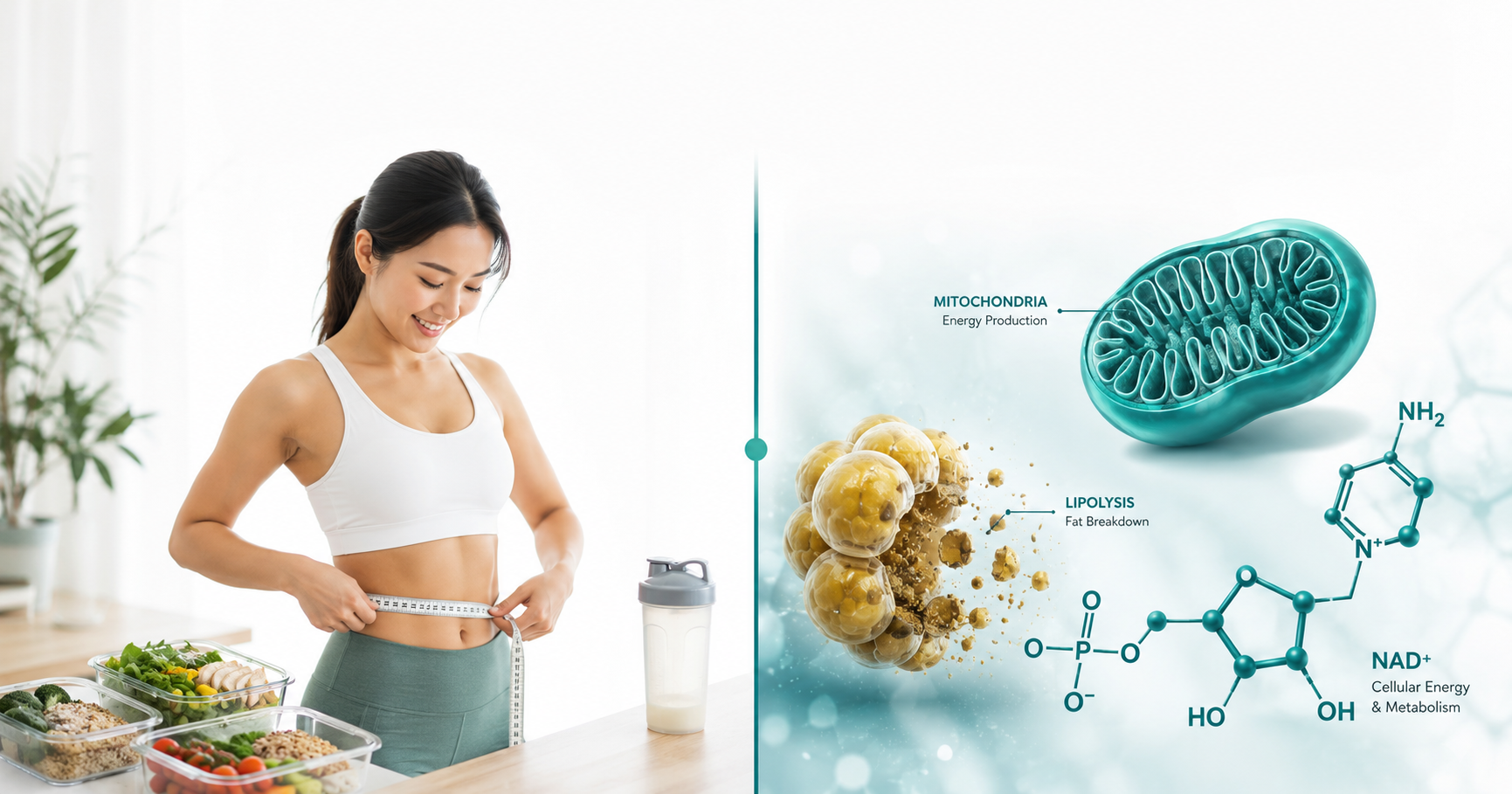
Nicotinamide adenine dinucleotide (NAD+) is a vital coenzyme found in every living cell. It plays a critical role in cellular energy production by helping mitochondria convert the food we eat into ATP, the energy currency of the body. Without adequate NAD+ metabolism, our cells cannot efficiently process fats and carbohydrates into usable energy.
How declining NAD+ affects metabolic rate with age
As we grow older, our natural NAD+ levels naturally decline. This decrease is strongly associated with mitochondrial dysfunction and a slower metabolic rate. When cells become less efficient at producing energy, the body may become more prone to storing calories as fat rather than burning them, which is one reason why maintaining a healthy weight often becomes more difficult with age.
NMN’s role in restoring metabolic NAD+ levels
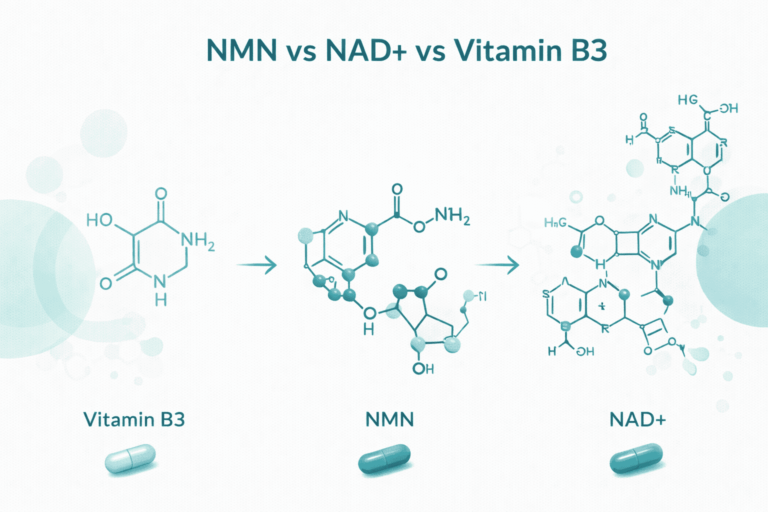
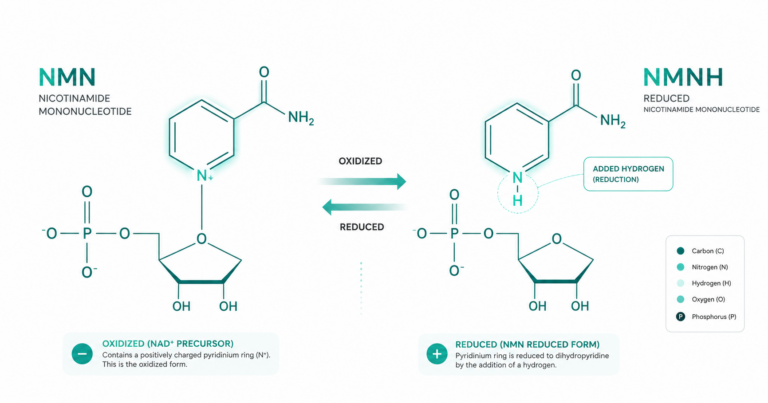
Because NAD+ is a large molecule, it struggles to enter cells directly. This is where precursors come in. NMN (Nicotinamide Mononucleotide) is a direct precursor to NAD+. By taking NMN, the body can more easily convert it into NAD+ inside the cells. If you want to learn more about the specific mechanisms, you can read about [what nmn is and how it supports cellular energy production].
What Does Research Say About NMN and Weight Loss?
When evaluating any supplement, it is absolutely critical to distinguish between animal research and human clinical trials to avoid misleading conclusions.
Key animal studies – metabolic improvements shown in research
In laboratory settings, animal studies on NMN have been highly promising. Research on aging mice has shown that NMN supplementation can mitigate age-associated weight gain, improve insulin sensitivity, and enhance energy metabolism. These mice experienced increased physical activity and better fat oxidation. However, animal models do not perfectly translate to human biology.
Human clinical trials – what they measured and found
Human studies are still in the early stages, but some initial findings are available. Most human clinical trials have focused on safety, insulin sensitivity, and muscular endurance rather than direct weight loss. Some research suggests that NMN may support mild improvements in insulin sensitivity in prediabetic postmenopausal women, which is a marker of metabolic health. However, these trials did not show significant, direct weight loss or fat reduction just from taking the supplement alone.
Limitations of current weight-loss research on NMN
Currently, no robust human clinical trials are proving that NMN directly causes weight loss. The scientific community views NMN as a promising compound for supporting metabolic health and healthy aging, but it is not a weight loss drug. Anyone claiming that NMN melts fat is overstating the current evidence.
NAD+ Supplements Directly – Do They Help with Fat Loss?
If NAD+ is the end goal, why not just take it directly? The answer lies in bioavailability.
Oral NAD+ for metabolism – what evidence exists
Oral NAD+ supplements exist, but evidence regarding their efficacy for fat loss is incredibly scarce. Because the NAD+ molecule is easily broken down in the digestive tract, very little of it reaches the bloodstream intact to influence cellular metabolism.
IV NAD+ and weight management – clinical vs wellness context
NAD+ intravenous (IV) therapy bypasses digestion, delivering the coenzyme directly into the bloodstream. While popular in wellness clinics for boosting energy and supporting recovery, there is currently no clinical consensus that IV NAD+ acts as a primary driver for weight loss. It may support overall vitality, making it easier to stay active, but it does not directly burn fat.
NMN vs NAD+ – Which Is More Effective for Metabolism?
When comparing nmn vs nad for weight loss and metabolic support, the delivery method and cellular uptake are the deciding factors.
Side-by-side comparison for metabolic support
Because NMN is a smaller precursor molecule, it is generally considered more effective as an oral supplement for raising intracellular NAD+ levels compared to oral NAD+. By reliably increasing these levels, NMN may support more efficient cellular energy pathways. For a deeper dive into the differences, see [how nmn compares to nad+ and other b3-based compounds].
Realistic expectations – NMN is NOT a weight loss drug
If you begin supplementing with NMN to support your metabolism, do not expect overnight changes on the scale.
- Weeks 1-4: You might notice subtle improvements in daily energy levels and less fatigue.
- Months 2-3: Some users report better stamina during workouts and more stable energy throughout the day.
- Months 4+: Long-term metabolic support may help with maintaining a healthy lifestyle, but physical body composition changes will only occur if accompanied by a caloric deficit and exercise.
Is NAD+ Like Ozempic for Weight Loss? (Answered Directly)
This is a common question, and addressing it honestly is crucial for setting safe expectations.
Why are people searching this comparison
With the massive popularity of GLP-1 receptor agonists (like Ozempic and Wegovy), people are actively searching for alternative, over-the-counter options for weight management. Because both NAD+ and GLP-1 medications are sometimes mentioned in the context of metabolic health, confusion has naturally arisen.
The fundamental difference between NAD+ and GLP-1 drugs
NMN and NAD+ are absolutely not comparable to Ozempic.
GLP-1 drugs are potent prescription medications that actively suppress appetite, slow gastric emptying, and directly stimulate insulin secretion to drive significant weight loss. NMN is a naturally occurring cellular coenzyme precursor that supports the energy factories in your cells. NMN will not suppress your appetite or cause rapid weight loss.
How to Use NMN as Part of a Healthy Weight Management Plan
If you decide to incorporate NMN into your routine, it must be viewed as a supportive tool within a broader lifestyle framework.
Diet and lifestyle come first – supplements support, not replace
A healthy weight is achieved through a nutrient-dense diet, consistent physical activity, stress management, and adequate sleep. NMN cannot outwork a poor diet or a sedentary lifestyle. It is simply one of the [best anti-aging supplements that support overall metabolic health] by helping your cells function at their best.
Best time to take NMN for metabolic support
Many experts suggest taking NMN in the morning to align with the body’s natural circadian rhythms and energy demands. Using nmn for energy early in the day can potentially support a more active lifestyle, which is beneficial if you are using [nmn for athletic performance and energy metabolism].
FAQs
Can NMN help me lose weight?
NMN is not a direct weight loss supplement. It may support cellular energy production and metabolic health, which can make it easier to maintain an active lifestyle, but it is not a replacement for diet and exercise.
Is NMN or NAD+ better for metabolism?
For oral supplementation, NMN is widely considered better for cellular uptake and raising intracellular NAD+ levels, which in turn supports mitochondrial metabolism.
How long before I see metabolic results from NMN?
You may notice slight improvements in daily energy within a few weeks, but long-term metabolic support requires consistent use over several months, paired with healthy habits.
Honest Verdict on NMN for Weight Loss
The pursuit of metabolic health is a marathon, not a sprint. While the science surrounding NAD+ metabolism is deeply fascinating and holds great promise for healthy aging, the current clinical data does not support the use of NMN or NAD+ as a standalone treatment for weight loss.
They are incredible tools for supporting cellular energy, but they work best when combined with the foundational pillars of health: a balanced diet and regular movement.
Medical Disclaimer: The information provided in this article is for educational purposes only and is not intended as medical advice. Always consult with a qualified healthcare provider before making any changes to your diet, exercise routine, or beginning any new dietary supplements.